
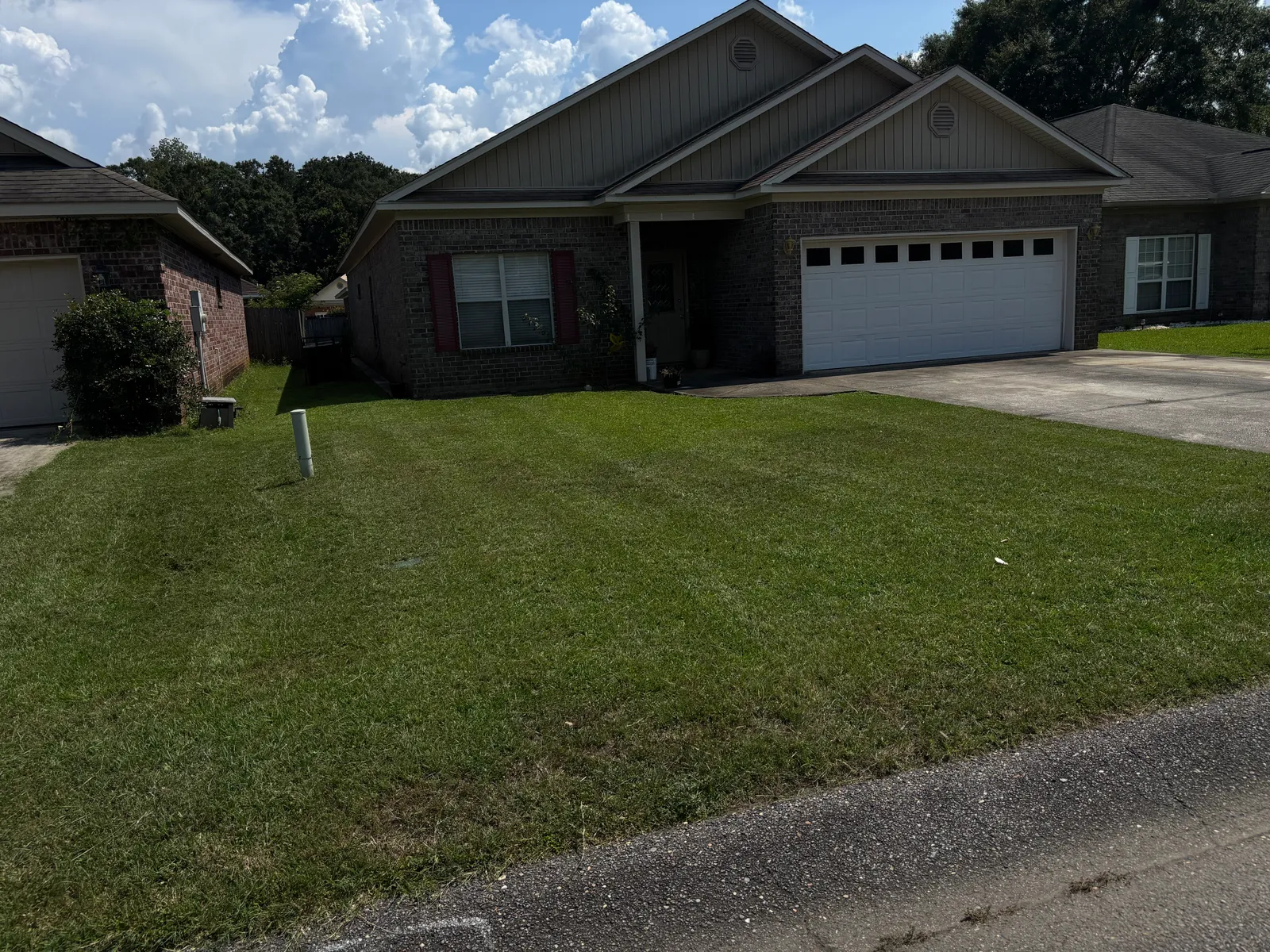
August lawn care in Waynesboro is less about following a rigid calendar and more about responding to a week of heat, quick showers, and changing growth. A lawn may surge after a soaking rain, then slow down when the sun returns. Before mowing, walk the yard and look at grass height, color, soil firmness, wet clippings, and debris. That short check helps you choose between mowing now, tidying only the ready areas, or giving stressed grass another few days.
If you need a refresher on choosing a summer mowing rhythm, start with our hot-weather mowing guide. The same one-third rule applies throughout August: avoid removing more than one-third of the grass blade in a single cut.
Read growth and heat stress before mowing
Begin by comparing several parts of the yard. Grass near shade, low spots, or downspouts may be growing faster than an open area that receives full afternoon sun. If most of the lawn is upright, green, and clearly taller, it may be ready for a clean cut. If the blades look gray-green or brittle, or footprints remain visible after you walk across them, the grass may need time instead.
Do not lower the mower simply because a hot week is coming. A conservative height leaves more blade to shade the soil and avoids the pale, scalped look that follows an aggressive cut. Sharp mower blades also matter: a clean edge looks neater and causes less tearing than a ragged cut. Let what the lawn is doing today guide the decision, not just what day you usually mow.
The five-minute August check
Look for new growth, dry grass blades, firm soil, clear walking paths, and a manageable amount of height. If one of those conditions is missing, handle the safe cleanup first and reconsider mowing when the yard is ready.
Use a post-rain mowing and cleanup checklist
A bright afternoon after a summer storm does not always mean the yard is ready. Grass blades can stay wet under the surface, and soft soil may hold tire marks even when the top looks dry. Walk the lawn before bringing out equipment. If your shoes sink, water squeezes from the ground, or blades stick together, wait.
| After-rain check | Practical next step |
|---|---|
| Grass blades are wet | Let them dry so the mower can make a cleaner, more even cut. |
| Soil feels soft | Wait until the ground is firm enough to avoid ruts and tracks. |
| Sticks or leaves are scattered | Clear visible debris before mowing and trimming. |
| Clippings begin to clump | Stop and spread or collect heavy piles instead of leaving them on the grass. |
Once conditions are dry enough, mow at a steady pace and watch the discharge area. Damp cuttings can gather in rows or cover healthy grass. Break up light clumps and remove heavy piles. Finish by clearing clippings from walkways, curbs, and other hard surfaces so the whole property looks orderly.
Keep edges and debris from taking over
Defined edges make a yard look cared for even when summer growth is uneven. Check where grass creeps onto walks, around curbs, beside beds, and near fences or fixtures. Trim with control rather than cutting a deep trench. The goal is a readable boundary that matches the height and neatness of the lawn.
August weather can also leave small branches, leaves, seed pods, and loose clippings in different corners of the property. Pick up solid debris before mowing so it does not become a hazard or get scattered. Pay attention to gates, steps, drainage paths, and narrow areas that are easy to skip. A short cleanup every time is easier than waiting until several weeks of material have collected.
Bring overgrown or stressed areas back gradually
If rain delays mowing and the grass gets too tall, resist the urge to return it to the usual height in one pass. Take off no more than one-third, let the grass recover, and reduce the height over later mowings if another cut is needed. That gradual approach may take longer, but it avoids scalping and keeps thick clippings from smothering the surface.
Stressed areas need patience too. Delay mowing a patch that is brittle, flattened, or barely growing even if another part of the yard is ready. You can clear debris and tidy hard surfaces without forcing a full cut. When growth resumes and the blades stand upright again, use a conservative height and watch how the area responds.
When to call John for maintenance help
Call when repeated rain keeps pushing the work back, when the grass has grown beyond what should be removed at once, or when edging and cleanup are taking more time than you have available. It also helps to call if different parts of the yard seem to need different timing and you want a straightforward next step.
Majorblessing provides lawn care and maintenance. Tell John Major Jr when the yard was last cut, which areas stay wet or grow fastest, and what debris or access points need attention. You can call 7622181894 to explain what you are seeing.
August lawn care questions
How often should I mow in August in Waynesboro?
Check the lawn each week, but mow only when it has grown enough for a trim. Fast growth after rain may call for a cut sooner, while heat-stressed grass may need more time. Avoid removing more than one-third of the blade in one mowing.
Should I mow right after a heavy summer rain?
Wait until the grass blades are dry and the soil feels firm enough for foot and mower traffic. Mowing a soaked lawn can leave clumps, ruts, and an uneven cut.
How short should I cut heat-stressed grass?
Do not try to make stressed grass extra short. Keep the cut conservative, remove no more than one-third of the blade, and wait if the lawn looks brittle, gray-green, or slow to spring back after walking.
When should I call for lawn maintenance help?
Call when rain keeps interrupting your mowing schedule, the yard is getting too tall to correct in one cut, edges and debris keep piling up, or you want help planning the next practical step.