
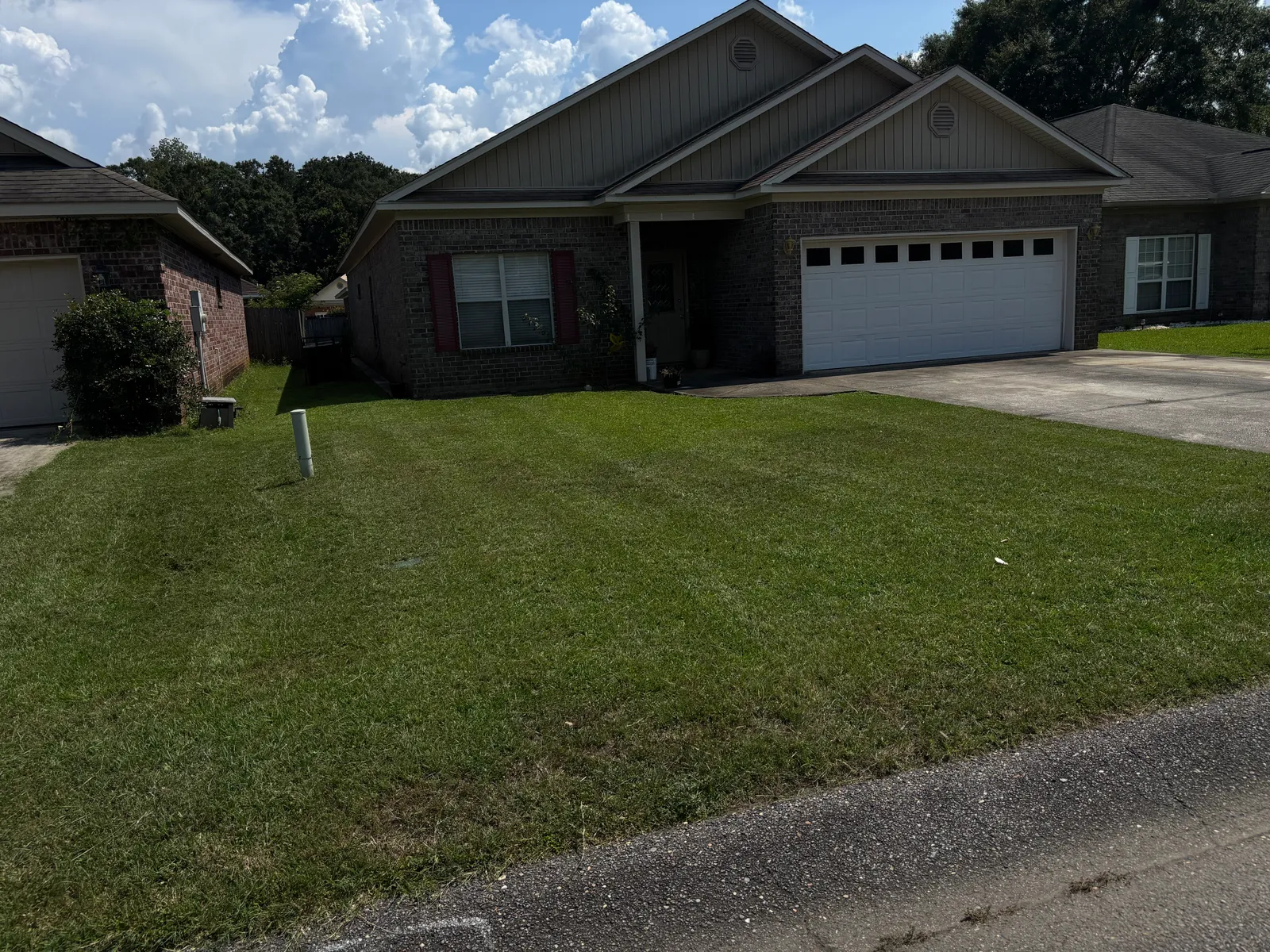
Hot weather changes the mowing decision. A lawn can be growing fast after rain, barely moving during a dry spell, or recovering from heat stress. That is why a good maintenance plan starts with one practical rule: never remove more than one-third of the grass blade in a single cut.
Start with the one-third rule
The one-third rule keeps mowing from becoming a shock. If the grass is tall, cutting it down too hard can leave the lawn looking pale, dry, and scalped. If the grass is only a little higher than normal, a clean trim is usually easier on the plant.
In active summer growth, many lawns need mowing about once a week. After rain and warm nights, some yards may need attention sooner. During a dry, hot stretch, the right move may be to wait because the grass is not growing enough to justify a cut.
Do not cut low just because it is hot
A short cut can look neat for a day, but it often makes hot-weather stress worse. Taller grass shades the soil, helps the lawn hold moisture longer, and gives the plant more leaf surface to recover. The goal is an even, clean cut — not the lowest possible cut.
If the lawn already looks gray-green, brittle, or footprinted, mowing can wait. If it is upright, actively growing, and clearly ready, mow with sharp blades and avoid taking off too much at one time.
Quick field check
Walk the lawn before deciding. If the grass springs back and has added enough height, mow. If it stays flattened, looks dry, or has barely grown, give it time.
A simple hot-weather mowing rhythm
Use the calendar as a reminder, not a command. Check the lawn weekly during the growing season. If it passes the one-third test, mow. If not, skip the cut and check again in a few days. That approach keeps the lawn from getting away from you without forcing unnecessary mowing when the grass is under stress.
For a yard that has gotten too tall, do not try to fix everything in one pass. Bring the height down gradually over more than one mowing. That looks cleaner and gives the grass a better chance to recover.
| Lawn condition | Better mowing move |
|---|---|
| Actively growing after rain | Check weekly and mow before more than one-third needs to come off. |
| Dry, hot, barely growing | Wait until growth resumes and the lawn can handle a cut. |
| Overgrown | Cut gradually instead of scalping it in one visit. |
Choose the right time of day
Heat is not only about the forecast high. A lawn that is cut during the harshest part of the afternoon can lose moisture faster and show tire tracks or foot marks more clearly. When you have control over the timing, mow after the lawn is dry but before the day reaches its hottest point. Avoid mowing wet grass, because clumps can sit on top of the yard and the mower may tear instead of cutting cleanly.
Sharp blades matter in hot weather, too. Ragged blade tips dry out faster and can make the lawn look brown even when the schedule is reasonable. If the mower is pulling, leaving uneven rows, or making the tips look shredded, the cut itself may be the problem.
When to ask for lawn maintenance help
If the lawn keeps getting ahead of you, the schedule is probably too loose. If it looks stressed after every cut, the schedule may be too aggressive or the cutting height may be wrong. Majorblessing Lawn care and maintenance helps customers with maintenance and lawn care, so you can describe what is happening and get a plain answer before committing to work.
For service details, start from the Majorblessing home page and review the services section. To ask John Major Jr what your lawn needs, use the contact form or call 7622181894. You can also return to the Majorblessing blog for more maintenance notes.
FAQ
How often should you mow lawn in hot weather?
Mow when the lawn has grown enough to justify a cut, and avoid removing more than one-third of the grass blade at one time. In active growth that may be weekly; in heat or drought stress, it may be less often.
Should grass be cut shorter when it is hot?
No. A very short cut can stress the lawn. Keeping enough height helps shade the soil and protect the grass during hot weather.