
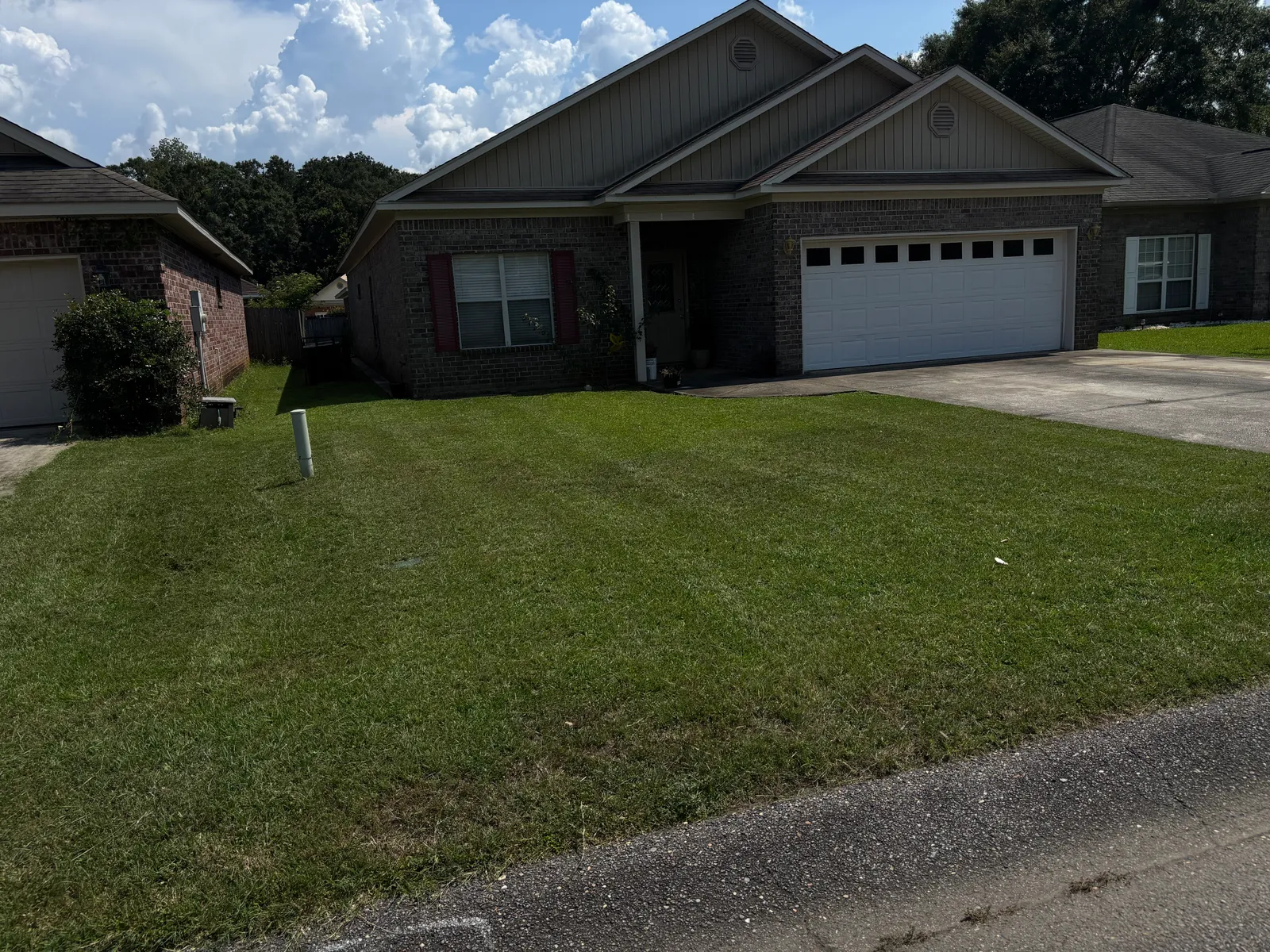
A brown lawn in an Augusta, Georgia summer can be worrying, but color alone does not tell you whether the grass is dead. Hot days, missed rainfall, uneven irrigation, mowing too low, and ordinary seasonal stress can all change how a yard looks. Before adding more water or cutting again, walk the lawn and notice where the browning starts, how the blades feel, and whether the grass is still growing. Those simple observations help separate a temporary setback from a pattern that needs closer attention.
Start with the shape of the brown area
Look at the whole yard from more than one angle. A lawn fading evenly may be reacting to broad heat or moisture stress. A strip beside pavement may be dealing with extra reflected heat. Straight lines can point to a mowing or watering pattern, while a low area may hold moisture longer than the surrounding ground. A distinct patch deserves a different inspection from a lawn that is gradually losing color everywhere.
Next, compare the brown grass with a nearby green section. Does one area receive more sun? Is the soil firm and dry in one place but damp in another? Are the blade tips clean or ragged? Do footprints remain instead of springing back? Avoid deciding from the surface alone. Several small differences can explain why one part of an Augusta lawn changes sooner than another.
Check moisture before reaching for the hose
Brown grass is often assumed to be thirsty, but more water is not always the answer. Press into the soil below the surface in both a brown area and a healthier area. If one is dry and the other is moist, watering coverage or drainage may be uneven. If both are moist, adding water may not address the cause. Also consider recent rainfall and whether water tends to run off a slope or collect in a low spot.
When the soil is dry and the lawn needs water, early morning is generally a better time than the hottest part of the afternoon. It gives moisture time to reach the soil with less immediate evaporation. There is no single schedule that fits every Augusta yard, so adjust for rainfall, drainage, sunlight, and the grass you have. Follow any local watering rules rather than relying on a fixed calendar.
A quick comparison
Check the soil, blade texture, growth, sunlight, and mowing marks in both brown and green areas. The difference between them is often more useful than color by itself.
Make sure mowing is not adding stress
Summer heat can slow growth, which means the lawn may not need to be cut just because mowing day has arrived. If the grass is brittle, stays flattened after you walk on it, or has barely grown, wait. Mowing stressed grass can leave it looking thinner and more uneven. When the lawn is actively growing again, remove no more than one-third of the blade height in a single cut.
Blade condition matters, too. A sharp mower blade leaves a cleaner edge, while a dull one can shred the tips and create a tan or brown cast across the yard. Cutting too low can expose pale lower growth and soil. If the lawn has become tall, reduce the height gradually over more than one mowing. For more detail, read how often to mow a lawn in hot weather.
| What you notice | A practical next check |
|---|---|
| Browning near pavement | Compare soil moisture and afternoon sun with the middle of the yard. |
| Ragged brown tips | Inspect the cut and the mower blade before mowing again. |
| Grass stays flattened | Wait for signs of recovery and active growth before cutting. |
| One area stays wet | Notice drainage and avoid adding water automatically. |
Give stressed grass time to show what it needs
After you make a basic adjustment, watch the lawn instead of changing several things at once. Note the date, recent weather, where the color appears, and whether the area is growing. A picture taken from the same place every few days can make gradual changes easier to see. If the grass begins to stand up, shows new green growth, or stops losing color, continue with a steady routine rather than pushing for an instant result.
Brown grass may be dormant or stressed rather than dead. Check near the base of the plant: firm crowns and some green tissue are more encouraging than grass that pulls away easily with no living material near the soil. Because lawns and conditions differ, avoid assuming every brown patch has the same cause. A response that helps a dry sunny edge may be wrong for a damp low area.
Know when a second set of eyes can help
Professional help makes sense when you cannot identify the pattern, the brown area keeps spreading, or the lawn does not improve after basic mowing and watering adjustments. It can also help when routine maintenance has become hard to keep up with. Be ready to explain when you first noticed the change, what the area feels like, and what you have already tried.
Majorblessing Lawn care and maintenance helps customers with lawn maintenance and lawn care. Visit the Majorblessing home page to learn about the business, or browse the lawn maintenance notes for more practical guidance. To describe what is happening in your yard, call 7622181894 and get a straight answer from John Major Jr.
Brown lawn FAQ
Is brown summer grass dead?
Not always. Brown grass may be dormant or stressed rather than dead. Check whether the crowns near the soil are firm, whether any green remains, and whether the area responds after conditions improve.
How should I water during Augusta heat?
Check the soil first so you do not water an area that is already moist. When water is needed, early morning is generally better than the hottest part of the day. Follow any local watering rules and adjust for rainfall, drainage, and the grass in your yard.
Should I mow grass that is already stressed?
Wait if the grass is brittle, flattened, or barely growing. When growth resumes and a cut is needed, use a sharp blade and remove no more than one-third of the grass height at one time.
When should I request professional lawn help?
Ask for help when you cannot identify the cause, the brown area keeps spreading, the lawn does not improve after basic mowing and watering adjustments, or the routine work has become difficult to manage.