
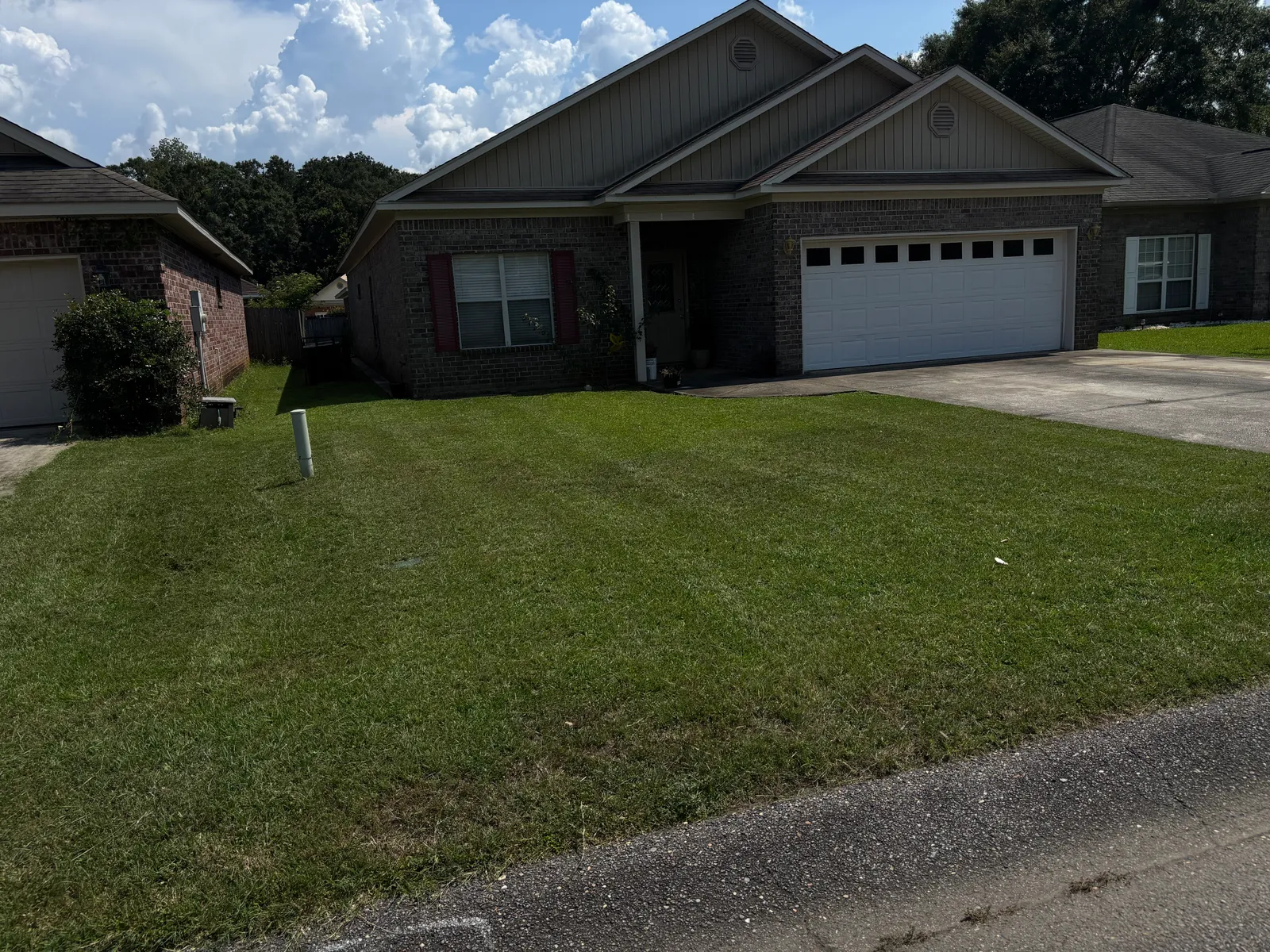
The most useful lawn maintenance schedule is a repeatable routine, not a list of chores tied to exact dates. Grass growth changes with rain, heat, and the condition of the yard. Checking the lawn regularly lets you mow when it is ready, water when it is dry, and catch small trouble before it turns into a larger repair.
Start with a quick weekly lawn check
Walk the yard once a week during active growth. Look for grass that is getting tall, areas that stay flattened, weeds beginning to spread, and branches or debris that could interfere with mowing. A five-minute check helps you decide what the lawn needs instead of doing the same work automatically.
Pay attention to changes from one area to another. A sunny section may dry faster than a shaded edge, while a low spot may hold moisture longer. Uneven color, standing water, or a patch that stops growing deserves a closer look. A regular route around the yard makes those changes easier to notice.
Keep the routine simple
Each week, check growth, moisture, weeds, debris, and edges. Do the work the lawn needs and skip the work it does not.
Mow according to growth, not just the calendar
Mowing is often the most visible part of lawn care, but more mowing is not always better. Follow the one-third rule: avoid removing more than one-third of the grass blade in one cut. If the lawn has become overgrown, lower it gradually over more than one mowing rather than scalping it in a single pass.
Use a sharp blade and mow when the grass is dry enough to cut cleanly. Wet clippings can clump, while dull blades tear the grass and leave ragged tips. During hot or slow-growing periods, the lawn may need more time between cuts. Our guide to mowing a lawn in hot weather explains how to judge stress before starting the mower.
| Maintenance rhythm | What to do |
|---|---|
| Weekly | Check growth, moisture, weeds, debris, and the need for mowing. |
| Monthly | Inspect thin spots, drainage, mower performance, and edges. |
| After storms | Clear branches, check low areas, and look for washed or flattened grass. |
| As seasons change | Adjust mowing and watering to current growth and weather conditions. |
Water only when the lawn needs it
A watering routine should respond to the soil and grass, not run without thought. Signs of a dry lawn can include a dull gray-green color, blades that fold inward, or footprints that remain visible. Check more than the surface; soil can look dry on top while still holding moisture below.
When watering is needed, early morning is usually the practical window. Less water is lost to midday heat, and the grass has time to dry during the day. Avoid creating runoff. If water begins moving onto hard surfaces or collecting in low areas, pause and let it soak in before continuing.
Add a monthly detail check
Once a month, look beyond the next mowing. Check whether the cut is even, whether the mower is leaving torn tips, and whether weeds or bare areas are expanding. Walk the edges near beds, fences, walks, and driveways. These are common places for growth to become uneven or for cleanup to be missed.
Also watch how water moves after rain. A low area that stays soggy or a slope that washes out repeatedly may need more than routine mowing. Taking note early gives you a clearer picture of whether the problem is temporary or returning in the same place.
Reset the schedule when conditions change
A useful schedule changes with the yard. Faster growth may call for more frequent checks. Heat, dryness, or slower growth may call for less mowing. After a storm, cleanup and drainage checks move to the top of the list. If the grass becomes overgrown, return it to the desired height gradually.
Majorblessing Lawn care and maintenance provides a direct way to get help when the routine becomes difficult to keep up with. Review the lawn maintenance services on the home page, or visit the Majorblessing lawn care blog for more practical guidance. To describe what is happening in your yard, call 7622181894 or use the contact form.
Lawn maintenance schedule FAQ
How often should routine lawn maintenance be done?
Check the yard weekly during active growth. Mow only when needed, clear anything blocking the grass, and note dry, thin, or overgrown areas before they become larger problems.
Should a lawn be mowed on the same day every week?
Use a weekly check instead of a rigid mowing day. Mow when the grass is actively growing and no more than one-third of the blade needs to be removed.
When is the best time to water a lawn?
Early morning is usually the most practical time because less water is lost to midday heat and the grass can dry during the day. Water only when the lawn actually needs moisture.
What should I check on a lawn each month?
Look for uneven growth, bare or thinning spots, weeds, drainage trouble, dull mowing patterns, and edges that need attention. Monthly checks help reveal changes that a quick mow can miss.
How can I make lawn maintenance easier?
Keep a simple weekly and monthly rhythm, avoid letting grass become overgrown, use sharp mower blades, and handle small cleanup or drainage issues before they spread.