
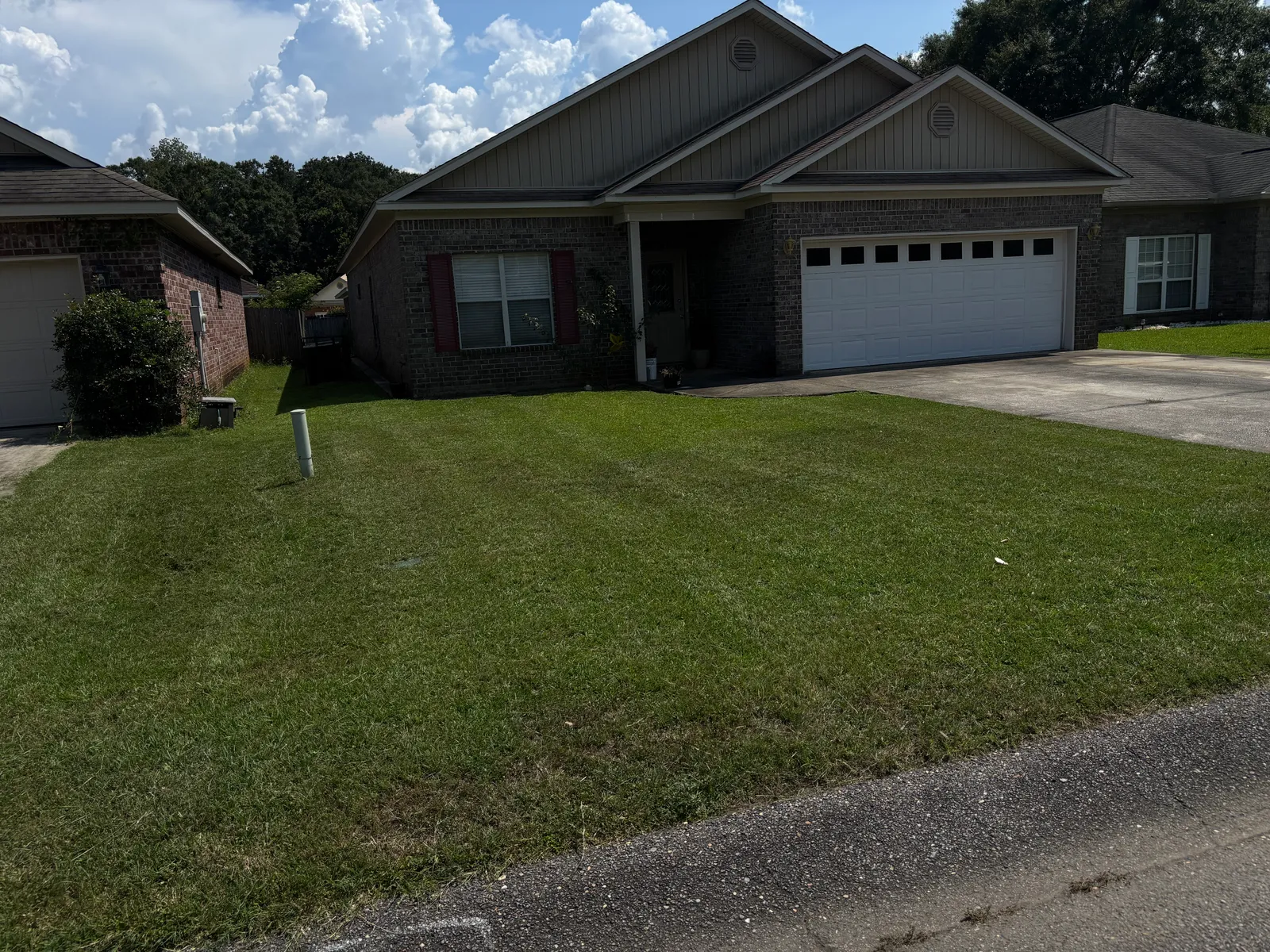
Let growth—not a fixed date—set the mowing schedule
Fall does not arrive in every Waynesboro yard in exactly the same way. One lawn may still put on noticeable growth while another begins slowing because of its grass type, shade, moisture, or overall condition. That is why “stop mowing on this date” is rarely useful advice. The better approach is to watch how much healthy growth appears between cuts and adjust the schedule as the season changes.
Temperature and shorter days influence that change, but they are only part of the picture. Recent rain can briefly encourage growth, while dry soil or stress can slow it for reasons that have little to do with dormancy. A lawn that looks quiet after a difficult stretch may not yet be seasonally dormant. Observe the entire property over time and avoid turning one week of slow growth into a diagnosis.
If you are planning the rest of the season, pair these mowing tips with the fall lawn care checklist. It covers practical questions to gather before choosing other seasonal work.
Signs that lawn growth is slowing
The clearest sign is simple: less grass is being removed at the usual mowing interval. Look across several cuts rather than judging from one visit. You may notice that the lawn holds its height longer, clippings become lighter, and edges need less frequent attention. Those observations can support a longer interval between cuts.
Color alone is not a reliable mowing signal. A lawn can change color because it is stressed, dry, shaded, or moving toward dormancy, and those conditions do not all call for the same response. Likewise, scattered fast-growing patches do not mean the whole yard needs an aggressive cut. Walk the front, sides, and back so you can see whether the growth pattern is consistent.
Keep brief notes about the date of each cut, recent rain, and how much growth you see. Those details make seasonal changes easier to recognize. Our other lawn care notes can help you organize questions about common yard conditions without guessing at a diagnosis.
Keep using the one-third mowing rule
Slower growth does not make an extra-short cut a good idea. Continue removing no more than about one-third of the grass blade in a single mowing. Taking off too much at once can leave the lawn looking scalped and reduce the leaf area it uses while it is still actively growing.
If the grass has grown taller than planned, bring it back gradually over more than one cut instead of forcing it to the usual height immediately. The same principle applies late in the season: maintain an appropriate height for the grass rather than lowering the mower simply because you hope it will be the final visit.
An even result matters more than declaring one cut “the last.” Sharp, properly set equipment and a measured mowing pattern help avoid torn tips and missed strips. If growth continues after what seemed like the final cut, another careful mowing may be more appropriate than leaving excessive growth just to follow a calendar decision.
Avoid mowing wet or stressed turf
Fall moisture can complicate timing. After heavy rain, wait until the grass blades and soil are dry enough to support normal mowing. Wet clippings can collect in heavy piles, the mower may produce an uneven cut, and soft ground can develop tracks or compacted areas. Waiting for better conditions protects the finish and makes cleanup more manageable.
Stress deserves the same patience. If the yard has been unusually dry, shows widespread thinning, or does not seem to recover normally, do not treat mowing as a way to correct the underlying issue. Record what you see and ask an appropriate lawn professional or Extension resource before choosing a treatment.
Before every cut, clear branches, toys, and other loose objects from the lawn. Pay special attention to areas where fallen leaves or debris hide low borders and obstacles. If leaves are dense enough to cover the grass, define whether clearing them is part of the requested maintenance instead of assuming it is included.
Plan the final cuts before dormancy
As active growth fades, mowing visits naturally become less frequent. Continue checking the lawn rather than ending the schedule abruptly. A final cut should leave the yard at its normal suitable height, with no attempt to scalp it for winter. Removing too much at the end of the season does not eliminate future upkeep and may place unnecessary stress on the turf.
Pay attention to uneven areas. Sunny portions of a yard may keep growing after shaded sections have slowed. Mow only when there is enough growth to justify the work, and avoid repeatedly running equipment across areas that are not growing. Once the lawn is consistently dormant, routine mowing can pause until active growth returns.
The exact sequence will vary from property to property. Grass condition, moisture, recent weather, sunlight, and the transition into dormancy all matter. That is why a careful final-cut plan is based on observation, not a precise temperature threshold or a date borrowed from another region.
When to request maintenance help
Ask for help when the grass is getting ahead of your schedule, when weather keeps narrowing the safe mowing window, or when cleanup and access make the job difficult to manage. A clear request should include your location, current photographs, the areas you want handled, the last mowing date if known, and details about gates, obstacles, or debris.
Describe observations without trying to diagnose the lawn. For example, say that an area stayed wet after rain, that growth is uneven along a shaded edge, or that the last cut left heavy clippings. Then ask which maintenance services are available and what the proposed work includes.
For direct help with routine upkeep, ask Majorblessing about lawn maintenance. John Major Jr can discuss what needs attention, the condition of the property, and the scope of the work before a visit is arranged.
Common questions
When do lawns usually stop growing in Waynesboro, GA?
There is no single date. Growth usually slows as days shorten and conditions cool, but grass type, moisture, sunlight, and the condition of the lawn all affect timing. Watch the lawn between cuts instead of relying only on the calendar.
Should I mow dormant grass?
Usually, dormant grass does not need routine mowing because it is not actively growing. Avoid unnecessary traffic or cutting when the lawn is dormant, stressed, wet, or unable to recover normally.
How short should the final mow of fall be?
Keep the normal appropriate mowing height for your grass rather than giving it an extra-short cut. Remove no more than one-third of the blade in a single mowing, including near the end of active growth.
Can I mow after heavy fall rain?
Wait until the grass and soil have dried enough for mowing. Cutting wet turf can leave clumps, create an uneven result, and cause ruts or compaction when the ground is soft.